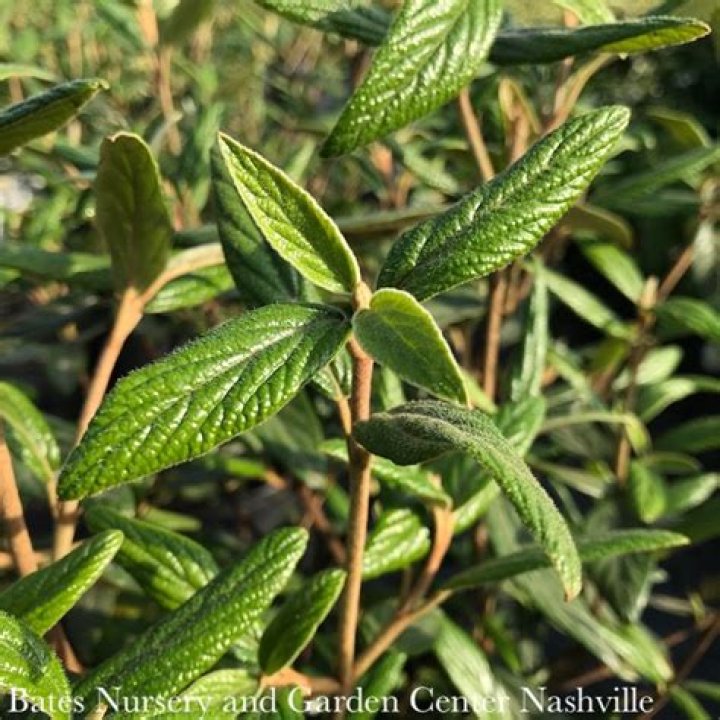
Water-wise refers to plants that evolved in regions with lower precipitation, thus requiring less water throughout the growing season than most residential landscape plants. But what does that mean? It typically means the length between irrigation or rain is an extended period of time.
What is the meaning of Be water wise?
Water-wise wording: Brief definitions Water-wise — A term used to describe a water- and plant-management practice that emphasizes using plants that have lower supplemental water needs and grouping plants by water needs to encourage more efficient water use.
What is water wise gardening?
Waterwise gardening cuts down on water wastage, while preserving the beauty of a garden and the natural plant diversity of an area. … In this garden you will find plants that help South Africa save water. This garden was created by grouping plants according to their water needs.
What is another word for water wise landscaping?
Xeriscaping was a term coined back in the 1970s in Denver, CO, to mean water-wise or water-efficient landscaping1. The term xeriscape is derived from the Greek word xeros, which means dry. Don’t let that mislead you into thinking we’re talking about deserts and cactus or even a drought-plagued, barren landscape.What is the difference between drought tolerant and native plants?
Drought tolerance refers to a measure of how well plants will survive during extended dry periods. Though they may have low water requirements, natives are best defined as those that have adapted to a specific location and have remained genetically unaltered by humans.
What does low water plant mean?
Low-water plants, on the other hand, are those that are adapted to live through times of water scarcity without drastically changing the way they look.
How do we use water wisely?
- Check your toilet for leaks. …
- Stop using your toilet as an ashtray or wastebasket. …
- Put a plastic bottle in your toilet tank. …
- Take shorter showers. …
- Install water-saving shower heads or flow restrictors. …
- Take baths. …
- Turn off the water while brushing your teeth. …
- Turn off the water while shaving.
What is a low water garden called?
Xeriscaping is the process of landscaping, or gardening, that reduces or eliminates the need for irrigation. … Xeriscaping may be an alternative to various types of traditional gardening. In some areas, terms such as water-conserving landscaping, drought-tolerant landscaping, and smart scaping are used instead.How do I Xeriscape my yard?
- 1) Do the work yourself. …
- 2) Keep purchased hardscape to a minimum. …
- 3) Grow from seed and collect plant divisions from friends and neighbors. …
- 4) Use non-invasive plants that spread. …
- 5) Make your own mulch.
Homes and businesses in desert climates, such as Las Vegas, use rocks and native vegetation such as cacti in xeriscaping projects. Xeriscaping is the practice of designing landscapes to reduce or eliminate the need for irrigation.
Article first time published onIs Lavender a water wise plant?
One of the most fragrant plant families is the mint family (Lamiaceae). … Some hardy, water-wise perennials in the mint family include: Lavender (Lavandula spp): With fragrant flowers and foliage, it’s hard to pass by lavender without stopping to appreciate the lovely aroma.
How do you start a water Wise Garden?
- Mulch, mulch, mulch. Keep the soil covered at all times. …
- Have an efficient watering system. …
- Water in the early morning or late evening. …
- Build up your soil. …
- Slow the water down. …
- Water less often but more thoroughly. …
- Aerate the soil. …
- Temporary shade.
How can I make my garden water minimal?
- Berms and Basins. In the American Southwest and West Africa, many gardeners surround plants with low earthen berms, forming basins that catch water. …
- Shade Screens. …
- Fertility Trenches. …
- Keyhole Gardens. …
- Buried Reservoirs. …
- Buried Bottles.
What vegetables are drought-tolerant?
- Lima beans.
- Pole beans.
- Corn.
- Cowpeas, black-eyed peas and field peas.
- Edible amaranth.
- Quinoa.
- Mustard greens.
- Okra.
Which is the most drought-resistant crop?
Staple food crops like sorghum, cassava, sweet potato, pearl millet, cowpea and groundnut are naturally more drought-tolerant than maize. For centuries, farmers in parts of West Africa have grown maize alongside cassava and sweet potatoes.
What is the best grass seed for dry conditions?
The best drought-tolerant grasses in cool-season climates include Tall Fescue, Fine Fescue, and Kentucky Bluegrass. Tall Fescue, a narrow-leaved, dark green grass, is among the best drought-resistant cool-season grasses due to its minimal irrigation needs of one to 1.25 inches of water weekly.
Why should water be used wisely?
That’s why it’s important for you to use water wisely and not to waste it. When you waste water, you’re taking water that other people might need. But when you use water carefully, you leave more water for other people to use. It is also important to use water carefully because our weather can be unpredictable.
Why should we use water wisely?
Every person on earth needs water to survive. Without it, many of us would get sick and even result in death. … Conserving water is important because it keeps water pure and clean while protecting the environment. Conserving water means using our water supply wisely and be responsible.
How do you use water wisely at school?
- Simple Actions = Big Water Savings …
- Carry a refillable water bottle. …
- Skip the tray in the lunch line and use only one plate. …
- Turn off the water when washing your hands. …
- Report leaks to the appropriate authorities. …
- In labs and art rooms, clean up with buckets of water.
What does moderate watering mean?
If the plant’s tag says, “Water steadily or evenly,” then water whenever the surface of the soil is dry to the touch. If the tag says, “Water moderately,” allow the top inch or so to dry out between waterings.
What does low water needs mean?
Moderate water-use plants (everyday ornamentals) need watering 2 times per week. Low water-use plants need only 1 watering day per week. Very low water-use plants will need no more than 1 watering day every other week.
What does it mean when a plant needs medium water?
Usually it is only necessary to water the houseplant once every 1 to 2 weeks. Moderate – When the soil is dry to touch, water the plant. Usually this ends up being once a week. … You do not want the soil soggy, just moist.
How expensive is xeriscaping?
Xeriscaping installation costsNational average cost$17,085Average range$16,000-18,000Minimum cost$6,000Maximum cost$24,000
What are pea pebbles?
Pea gravel is a small, rounded type of rock gravel. The uniformly-sized, smooth pebbles are used as hardscaping material for gravel patios and walkways. Let’s look at what pea gravel is and the many ways it can be used in your landscaping plan.
Does xeriscaping save money?
Experts estimate conversion typically ranges from $1.50 to $2.50 per square foot. But they estimate a 36 cents per square foot savings annually, due to decreased maintenance costs of a xeriscape over time.
Is xeriscaping good or bad?
The potential cons of xeriscaping include: The amount of work needed in the early stages of your landscape installation will be significant. Your property will have a much more sparse aesthetic that it probably had before. The lack of “green, green grass” may turn off potential buyers if you eventually choose to move.
Are lavender drought-tolerant?
Lavender is a delightful and useful garden plant. It can be used as a drought-tolerant low hedge, a specimen plant, a cut flower, and an herb that provides a fragrant addition to any garden. As garden ornamentals, lavenders have attractive gray-green foliage and eye-catching, long lasting blooms.
Does xeriscaping make it hotter?
A recent letter to the editor said replacing lawn with xeriscaping causes more heat to radiate into a house, raising air-conditioning costs. A number of readers asked if this was true. Short answer: It can, but it doesn’t have to.
What is carpet bed?
Carpet beds. The art of growing ground cover plants closely and trimming them to a design or alphabetical letters is called a carpet bed. Colourful foliage as edge plants is found to be more suitable for this purpose.
Is Xeriscape bad for the environment?
Cons of Xeriscaping And it can cost you more in money than you will recoup by years of less water use. … Xeriscaping is a system of selecting plants that focusses on water conservation. While this obviously keeps water usage down, it doesn’t support native ecosystems in the same way a natural garden would.
What is in mulch?
Mulch is primarily made of organic material and can come in a variety of forms. Mulch is most commonly made of tree bark, wood chips, pine straw, moss, grass clippings, or leaves. Other substances like newspaper, manure, compost, or rubber are also popular.